


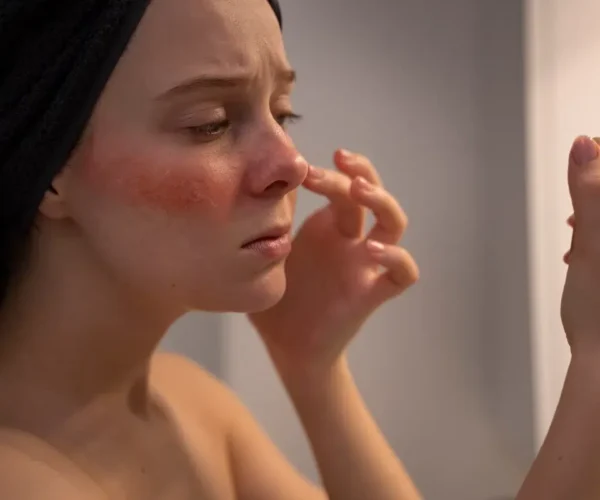
Dealing with persistent facial redness can feel frustrating. If you notice flushing that doesn’t seem to go away, or if you are experiencing new bumps and visible blood vessels, you are likely dealing with rosacea. Many people who come to our skin care clinic ask us: how to stop rosacea from progressing?
The good news is that while rosacea is a chronic condition, it is possible to stop rosacea from getting worse. In this guide, we will provide an educational look at effective strategies, professional treatments, and essential lifestyle changes that can help you maintain calmer skin and prevent the symptoms from advancing.
If you are looking for treatment for rosacea in Airmont, NY, understanding these early management steps is the first and most vital part of your journey to clearer skin.
What is Rosacea? | 6 Powerful Facts About Rosacea You Need to Know
Understanding Why Rosacea Progresses
Rosacea is a progressive skin condition. This means that if it is left unmanaged, the symptoms tend to become more severe over time. Understanding why rosacea gets worse over time is the first step toward slowing down its advancement.
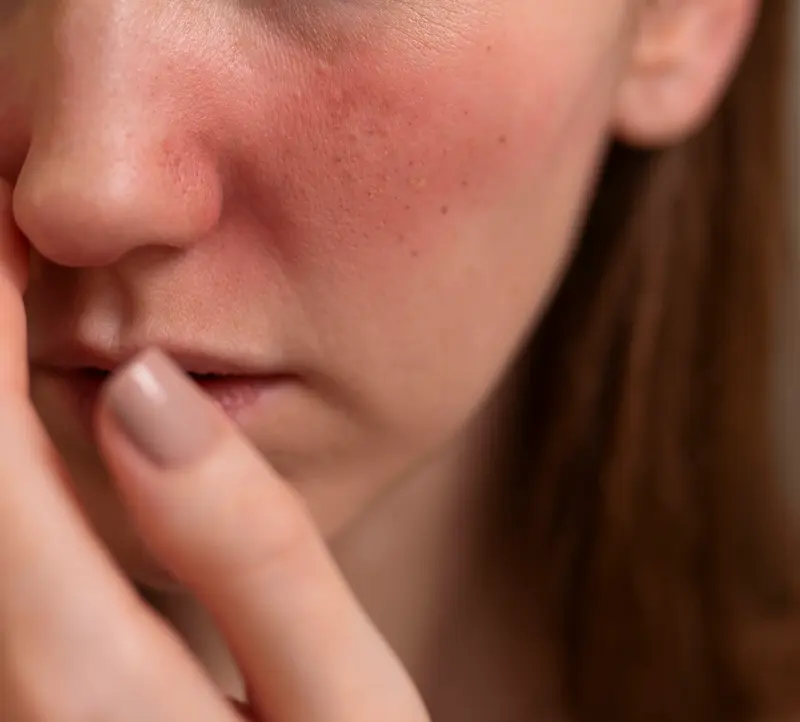
In its early stages, rosacea might simply appear as occasional blushing or flushing across the cheeks, nose, chin, or forehead. Over time, however, this redness often becomes more permanent. The progression typically involves:
- Persistent Redness (Erythema): The occasional flushing becomes a constant backdrop on the face.
- Visible Blood Vessels (Telangiectasia): Small, spidery red lines become visible just beneath the skin’s surface.
- Papules and Pustules: Small, red bumps or pus-filled spots (often mistaken for acne) begin to form.
- Skin Thickening (Phymatous Rosacea): In rarer, more advanced cases (more common in men), the skin can thicken and become bumpy, often affecting the nose (rhinophyma).
The underlying cause of this progression is often related to chronic, uncontrolled inflammation and repeated flushing, which weakens the blood vessels in the skin. When these vessels are constantly dilating due to various triggers, they eventually lose their ability to constrict, leading to permanent redness.
The key to preventing rosacea from getting worse is breaking this cycle of inflammation and flushing.
The Foundation: Identifying Rosacea Triggers
The absolute first line of defense in rosacea trigger management is knowing what makes your skin flare. Every person with rosacea has different triggers, but identifying yours is the foundation of any plan meant to prevent rosacea flare-ups.
When you experience a flare-up, it means something has caused the blood vessels in your skin to dilate. Each flare causes potential damage that contributes to the long-term progression of the condition.
Here are some of the most common rosacea triggers to avoid:
- Sun Exposure: This is the most frequently reported trigger. UV rays cause inflammation and damage blood vessels.
- Heat: Hot weather, humid environments, hot baths, and saunas can all initiate flushing.
- Stress and Anxiety: Emotional stress triggers chemical changes in the body that lead to flushing.
- Alcohol: Red wine, beer, and hard liquor are common culprits because they cause blood vessels to dilate.
- Spicy Foods: Capsaicin, found in hot peppers, can cause immediate facial flushing.
- Hot Beverages: The heat from coffee, tea, or hot cocoa is often the trigger, rather than the caffeine itself.
- Wind and Cold: Harsh weather conditions can strip the skin barrier, leading to irritation and redness.
- Certain Skincare Products: Products containing alcohol, fragrances, witch hazel, mental, or harsh exfoliants (like glycolic acid or retinoids used improperly) can be major irritants.
- Intense Exercise: Strenuous workouts that cause overheating can lead to significant flushing.
To effectively implement lifestyle changes to control rosacea, we recommend keeping a “flare-up diary” for a few weeks. Note down your diet, the weather, your stress levels, and any new products you used on days your skin is redder. This helps you pinpoint your specific triggers so you can actively avoid them.
Creating a Skincare Routine for Rosacea-Prone Skin
The right daily habits are essential for rosacea prevention. Your goal is to support and repair your skin’s protective barrier, which is often compromised in people with rosacea. A weak barrier makes your skin more susceptible to irritants and inflammation.
Here is a simplified, effective skincare routine for rosacea-prone skin:
1. Gentle Cleansing
Cleanse your face only twice a day (morning and night) using a very gentle, non-foaming, fragrance-free cleanser. Avoid anything labeled as “deep cleaning,” “exfoliating,” or “antibacterial,” as these are often too harsh. Use lukewarm water, never hot, and apply the cleanser gently with your fingertips.
2. Moisturizing (Crucially, Morning and Night)
A barrier-repairing moisturizer is your best friend when learning how to treat rosacea. Look for ingredients like ceramides, hyaluronic acid, and niacinamide (vitamin B3), which help restore the skin barrier and reduce inflammation. Applying moisturizer helps create a protective seal, reducing sensitivity.
3. Sun Protection (The Most Important Step)
Sunscreen is non-negotiable if you want to know how to stop rosacea from spreading on the face. Daily sun protection helps prevent both flare-ups and the long-term advancement of redness.
- Choose a physical (mineral) sunscreen containing zinc oxide or titanium dioxide. These reflect UV rays and are generally less irritating than chemical sunscreens.
- Look for “broad-spectrum” SPF 30 or higher.
- Apply it every single day, even when it’s cloudy.
4. Products to Avoid
When selecting skincare, simple is always better. For effective rosacea trigger management, carefully check labels and avoid:
- Alcohol (SD alcohol, denatured alcohol)
- Fragrances (perfumes, essential oils)
- Menthol, peppermint, eucalyptus
- Witch hazel
- Harsh scrubs or abrasive brushes
- Chemical exfoliants (AHA, BHA) unless specifically recommended and monitored by a professional.
By maintaining this calm and protective routine, you play an active role in slowing down rosacea progression.
Professional Treatments: The Best Way to Stop Rosacea from Getting Worse
While lifestyle and skincare are vital, they primarily manage the condition. To truly treat the existing visible symptoms and provide the best treatment to stop rosacea from getting worse, professional medical spa treatments are often required.
At Parpar Clinic, a specialized rosacea treatment medspa serving Airmont, NY, and surrounding areas like Suffern, Monsey, and Chestnut Ridge, we offer advanced, non-invasive solutions designed to target the redness at its source.
Professional treatments are often the most effective way to reduce rosacea redness permanently (or on a long-term basis) because they treat the underlying structural changes in the skin, namely the dilated blood vessels.
Get Rid of Rosacea Permanently: What Really Works?
IPL (Intense Pulsed Light) Therapy
IPL is one of the most popular and effective treatments for rosacea. It is not a laser, but rather uses broad-spectrum light to target specific colors in the skin. In the case of rosacea, the IPL device is set to target the red pigment (hemoglobin) in the blood vessels.
The light energy is absorbed by these vessels, heating them slightly and causing them to collapse or seal shut. The body then naturally absorbs the treated vessels over time, leading to a significant reduction in permanent facial redness and the visibility of small, broken blood vessels.
Laser Treatments
Similar to IPL, certain lasers (like vascular lasers) can target the blood vessels responsible for rosacea redness. These treatments are precise and can significantly clarify the complexion by reducing the overall redness burden on the skin.
Preparing for Your Rosacea Treatment
When you book a professional treatment for rosacea in Airmont, NY, proper preparation is key to ensuring the best results and minimizing irritation.
- Consultation First: Always start with a consultation at a specialized skin care clinic like Parpar Clinic. We will assess your skin, confirm the diagnosis, and customize a treatment plan.
- Sun Avoidance: Avoid significant sun exposure and tanning (including self-tanners) for at least 2-4 weeks before any light or laser treatment. Tanned skin cannot be safely treated with these methods.
- Pause Irritants: Stop using potential skin irritants like retinoids (Retin-A), glycolic acid, or harsh exfoliants for at least one week before your appointment.
- Stay Hydrated: Ensure your skin is well-hydrated leading up to the treatment.
Arrive with a Clean Face: Do not apply makeup, lotions, or creams on the day of your treatment.
Aftercare Following Rosacea Treatments
Post-treatment care is equally important for maintaining results and preventing complications.
- Expect Mild Redness: Some increased redness or slight swelling immediately after the treatment is normal. It usually subsides within a few hours to a day.
- Sun Protection is Vital: Your skin will be extra sensitive to UV rays. Apply a mineral SPF 30+ sunscreen immediately after (your provider will apply it) and religiously every day.
- Gentle Care Only: Treat your skin very gently for the next week. Use only the gentle cleanser and barrier-repairing moisturizer recommended by your specialist.
- Avoid Heat and Intense Exercise: Skip gyms, hot tubs, saunas, and very hot showers for at least 48 hours after treatment, as these can trigger flushing and compromise results.
Do Not Pick: If any small crusts or scabs form (which is rare), do not pick or scratch them.
Professional Treatments: The Best Way to Stop Rosacea from Getting Worse
In addition to skincare and professional treatments, daily habits play a major role in how to treat rosacea effectively. Making consistent adjustments can significantly reduce the frequency of flares.
Stress Management
Since stress is a major trigger, incorporating calming practices into your daily life can help. This could include meditation, deep breathing exercises, yoga, or even regular, gentle walks.
Temperature Control
- Use A/C: During hot months, stay in air-conditioned environments.
- Cool Down During Exercise: If you enjoy working out, try low-impact activities like swimming or walking, exercise during the cooler parts of the day (early morning or evening), and use a fan or cool mist while exercising.
- Mind the Water: Use only lukewarm water when washing your face or showering.
- Layer Up: In cold, windy weather, wear a scarf around your face to protect it from the elements.
Dietary Choices
While you don’t need to eliminate all your favorite foods, being mindful of common dietary triggers can help prevent rosacea flare-ups.
- Limit spicy dishes.
- Allow hot beverages (coffee, soup) to cool down slightly before consuming them.
- Moderate your intake of alcohol, particularly red wine.
- Staying hydrated and eating a balanced diet rich in anti-inflammatory foods (like omega-3s found in fish or flaxseed) may support overall skin health.
How to Reduce Rosacea Redness Quickly (When a Flare Happens)
Even with the best prevention plan, flare-ups can still occur. If you are looking for how to calm rosacea redness quickly, the key is immediate cooling and gentle care.
- Cool It Down: Apply a cool, damp cloth to the affected areas for 10-15 minutes. A thermal spring water spray (stored in the fridge) can also provide instant relief.
- Use Calming Topicals: Apply a moisturizer or serum containing calming ingredients like oat extract, green tea, feverfew, or licorice root. Some over-the-counter creams with azelaic acid can also help reduce the inflammation of bumps.
- Use a Mineral Mask: A mask containing sulfur or clay (as long as it’s not too drying) can sometimes help calm redness and inflammation, especially the acne-like bumps.
Cover Gently: If you must cover the redness, use a green-tinted primer or color-correcting makeup. Green counteracts red, helping to neutralize the color without requiring thick layers of foundation. Ensure all makeup is fragrance-free and designed for sensitive skin.
Why You Should Seek Early Rosacea Treatment
It is a common misconception that rosacea is “just a cosmetic issue” or that you just have to “live with it.” Early intervention is key to effective rosacea management. Seeking help from a specialized medspa in New York early on can prevent the condition from advancing to more severe, permanent stages that are harder to treat
If you are noticing permanent facial redness, visible blood vessels, or acne-like bumps that persist, don’t wait. Early rosacea treatment medspa intervention can not only improve the immediate appearance of your skin but also effectively stop the condition from progressing.
Airmont, NY, Local Connection: Rosacea Care Close to Home
For those living in Airmont, NY, Monsey, Suffern, Chestnut Ridge, or Montebello, you have access to specialized care right in your neighborhood. Parpar Clinic, a dedicated skin care clinic and medspa near Airmont, is proud to provide advanced rosacea management.
We focus on delivering high-quality, personalized care. We know that every case of rosacea is different, and we are dedicated to helping our local community achieve healthier, calmer skin. Whether you are looking for IPL in Suffern, NY, or the best treatment to stop rosacea from getting worse near Monsey, Parpar Clinic is here to help.
Frequently Asked Questions
How to treat rosacea permanently?
It’s natural to want a cure, but it is important to know that currently, there is no known permanent cure for rosacea. However, it can be managed very effectively. Professional treatments like IPL can provide long-lasting reduction in redness, and when combined with diligent trigger avoidance and proper skincare, you can keep the condition under control and prevent it from advancing for years at a time. The goal of treatment is effective management, not a complete cure.
How can I stop rosacea from spreading on my face?
You can stop the “spread” (which is actually the progression of symptoms) by aggressively managing inflammation and flushing. This requires a three-pronged approach: consistent daily sun protection (mineral SPF 30+), strict avoidance of your personalized rosacea triggers (sun, heat, alcohol, etc.), and a very gentle skincare routine (mild cleansing and barrier-repairing moisture). If symptoms persist, professional rosacea treatment medspa options like IPL are often needed to target existing blood vessel dilation and prevent further advancement.
Can lifestyle changes really stop rosacea from getting worse?
Yes, they are the foundation. Every time you experience flushing, it can cause small amounts of damage that contribute to the long-term progression of rosacea. By diligently identifying and avoiding your triggers (sun, heat, spicy food, stress, etc.), you are actively preventing the flare-ups that cause this damage, thereby slowing down rosacea progression. Lifestyle changes, while requiring consistency, are essential for long-term control.
Why is my rosacea getting worse despite my efforts?
This can happen for a few reasons. Rosacea is naturally progressive, so sometimes, even good maintenance isn’t enough to stop the progression entirely, especially if visible blood vessels have already formed. In these cases, professional rosacea trigger management and medical treatments (like IPL) are often necessary. Another possibility is that you have unidentified triggers (perhaps an ingredient in your skincare or a subtle dietary trigger). It’s also possible that another skin condition (like seborrheic dermatitis) is occurring alongside the rosacea, complicating the management. Consulting with a specialist at a rosacea treatment clinic is always the best next step.
Does diet play a role in slowing down rosacea progression?
While diet isn’t the primary cause of rosacea, specific foods are major triggers for flushing in many individuals. Avoiding spicy foods, very hot beverages, and alcohol (especially red wine) are key aspects of lifestyle changes to control rosacea. Every flare avoided through diet helps prevent the vascular damage that contributes to long-term advancement. Some studies also suggest a link between gut health and skin health (the gut-skin axis), so a diet rich in fiber and anti-inflammatory foods may also support overall management, though avoiding triggers is the most direct benefit.
Can you ever stop using rosacea products once it’s controlled?
Generally, no. Because rosacea is a chronic condition, maintaining results requires ongoing care. Once your skin is calmer and the redness is reduced (either through lifestyle changes or professional treatments), you still need to continue using your gentle skincare routine, moisturizing daily, and applying sun protection religiously. If you stop these maintenance habits and resume exposure to triggers, the redness and flare-ups will almost always return. Management is a continuous commitment.
Why does my rosacea get worse at night?
Many people find their skin is flusher at night. This can be due to a few factors. Stress from the day might start to manifest as you relax, which can cause flushing. The warmth of the bedroom or bedding might also be a factor. Furthermore, standard skin permeability changes slightly at night, which might make it more sensitive to inflammation. Lastly, you might be using a product in your evening routine (like a retinoid or an exfoliant) that is too harsh, or even the friction from your pillow could be causing irritation.
Ready to Take Control? Schedule Your Consultation at Parpar Clinic Today
Knowing how to stop rosacea from progressing is an essential first step. However, implementing the right strategy, especially professional rosacea treatment medspa options, often requires the guidance of a specialist.
If you are tired of the constant flushing, visible blood vessels, and discomfort, Parpar Clinic is here to help. We are a specialized skin care clinic providing comprehensive treatment for rosacea in Airmont, NY, and the surrounding areas.
Our team will help you identify your triggers, create a customized skincare routine, and provide advanced treatments like IPL to target redness at its source, helping you to truly prevent rosacea flare-ups and stop its advancement. We are conveniently located for patients from Monsey, Suffern, Chestnut Ridge, Montebello, and across the region.
You don’t have to navigate rosacea management alone. Take the next step toward calmer, clearer, and healthier skin. Schedule your personalized consultation at Parpar Clinic today.