


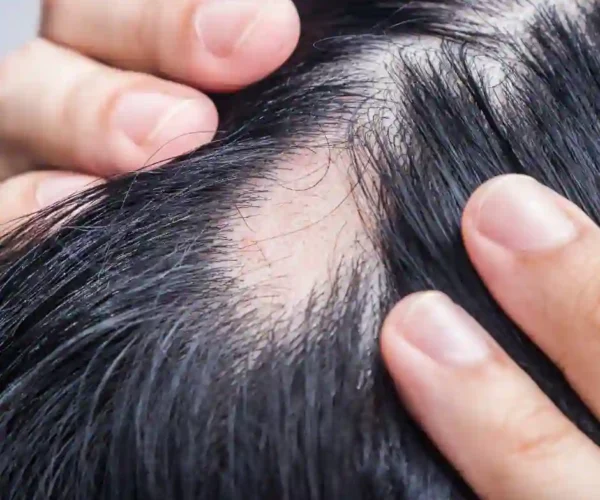
Alopecia areata is an autoimmune condition in which the immune system mistakenly attacks hair follicles, leading to sudden, patchy hair loss on the scalp or other areas of the body. Because the condition is closely linked to immune response and inflammation, many people look beyond topical or medical treatments and explore dietary changes to support hair regrowth.
While certain foods and nutrients may help support overall hair health and immune balance, it’s important to have realistic expectations. Diet alone is not a standalone cure for alopecia areata, but it can be a helpful supportive strategy when combined with appropriate medical care.
In this article, we’ll examine the science behind diet and alopecia areata, discuss foods that may help, address common myths, and explain when it’s time to seek professional treatment.
What Is Alopecia Areata?
Alopecia areata is an autoimmune condition in which the immune system attacks hair follicles, causing sudden hair loss. It most often appears as round or oval bald patches on the scalp but can also affect the eyebrows, beard, or other body areas.
Unlike male or female pattern hair loss, which develops gradually and follows a predictable thinning pattern, alopecia areata can appear quickly and unpredictably. Hair may regrow on its own and fall out again over time.
The most common symptoms include patchy hair loss and increased shedding. Alopecia areata can affect people of any age or gender but often starts in childhood or early adulthood, especially in those with a family history of autoimmune conditions.
What Causes Alopecia Areata?
Alopecia areata occurs when the immune system mistakenly attacks hair follicles, causing them to stop producing hair temporarily. The follicles remain alive but are disrupted by this autoimmune response.
Genetics play an important role, as the condition is more common in people with a family history of autoimmune disorders. Environmental factors, lifestyle changes, and physical or emotional stress may trigger flare-ups by increasing inflammation and disrupting normal immune function.
Can Diet Improve Alopecia Areata Symptoms?
Research suggests diet may influence autoimmune conditions like alopecia areata by affecting inflammation, gut health, and immune regulation. Although diet alone does not cure alopecia areata, certain eating patterns and nutrient-rich foods may support immune balance and help manage symptoms. A review of dietary and nutritional advice for people with alopecia areata shows many patients explore diet changes and supplements to support their condition, though evidence is still limited and evolving. (PubMed)
Proper nutrition supplies essential vitamins and minerals that help maintain healthy hair follicles. Deficiencies in nutrients such as vitamin D, zinc, and folate have been linked to more severe symptoms in some studies, suggesting that adequate nutrient intake may support hair health and immune function. (dovepress.com)
It’s important to keep realistic expectations: while diet may help improve overall hair and immune health, it is unlikely to completely reverse alopecia areata on its own. Dietary changes are best used as a supportive part of a broader treatment plan guided by healthcare professionals.
Key Nutrients That Support Hair Growth and Immune Health
Nutrient-dense foods play a vital role in supporting hair follicle health and regulating the immune system, making them an important part of managing alopecia areata. Adequate intake of key vitamins, minerals, and proteins helps maintain healthy hair growth and may reduce the impact of immune-related hair loss.
Protein and Amino Acids
Hair is primarily made of keratin, a protein that requires sufficient dietary protein and amino acids for growth. Lean meats, eggs, legumes, and dairy provide the building blocks needed for strong, healthy hair.
Iron and Ferritin Levels
Iron deficiency is linked to hair shedding and slower regrowth. Maintaining adequate iron and ferritin levels through foods like spinach, lentils, and red meat can help support follicle function.
Zinc and Selenium
Zinc and selenium contribute to immune regulation and hair follicle repair. Foods rich in these minerals include nuts, seeds, whole grains, and seafood.
Vitamin D
Vitamin D supports immune balance and may influence hair follicle cycling. Sun exposure, fortified foods, and supplements can help maintain optimal levels.
Biotin and B-Complex Vitamins
B vitamins, especially biotin, help convert nutrients into energy for hair follicles and support keratin production. Whole grains, eggs, nuts, and leafy vegetables are good sources.
Omega-3 Fatty Acids
Omega-3s reduce inflammation and nourish the scalp, promoting a healthier environment for hair growth. Fatty fish, flaxseeds, chia seeds, and walnuts are excellent sources.
Maintaining a balanced, nutrient-rich diet can complement medical treatments and help support overall hair and immune health in those with alopecia areata.

Anti-Inflammatory Diets and Alopecia Areata
Chronic inflammation can worsen autoimmune hair loss in alopecia areata. Anti-inflammatory diets may help reduce immune overactivity and support healthier hair follicles.
Mediterranean Diet – Fruits, vegetables, whole grains, olive oil, and fatty fish rich in antioxidants and healthy fats.
Plant-Forward Diets – Emphasize vegetables, legumes, nuts, and seeds to support immune function.
Gluten-Free Considerations – May help reduce inflammation for those with celiac disease or gluten sensitivity.
Gut-Health-Focused Eating – Fermented foods and fiber-rich vegetables promote a healthy gut microbiome, aiding immune balance.
These dietary patterns can complement medical treatments to support hair and immune health.

Frequently Asked Questions
Can alopecia areata be reversed naturally?
Diet and lifestyle changes may support hair growth and immune health, but alopecia areata cannot be fully reversed naturally. Professional treatments are often needed for significant regrowth.
Can stress-eating worsen hair loss?
Chronic stress and poor nutrition may contribute to inflammation, which can exacerbate hair loss. Managing stress and eating a balanced diet can help support hair health.
How Long Does It Take to See Results from Diet Changes?
Changes in diet can support hair and immune health, but results take time. Hair grows in cycles, with each follicle going through growth, rest, and shedding phases, so visible improvements may take several months.
Patience and consistency are key. Regularly eating nutrient-rich, anti-inflammatory foods can gradually strengthen hair follicles. Early signs that diet may be helping include reduced shedding, improved hair texture, and the appearance of new growth in affected areas.
Diet vs Medical Treatment: What’s the Best Approach?
Diet alone is unlikely to stop alopecia areata, as it is an autoimmune condition that often requires professional intervention. While nutrition can support immune health and hair growth, it works best alongside medical treatments such as topical therapies, injections, or other doctor-recommended options.
Seeing a specialist early is important to assess the severity and determine the most effective treatment plan. Personalized approaches that combine diet, lifestyle changes, and medical care offer the best chance for managing symptoms and promoting hair regrowth.
When to Seek Professional Help for Alopecia Areata
If hair loss continues despite dietary changes, it may be a sign that professional care is needed. Rapid progression, large bald patches, or complete scalp involvement are warning signs that diet alone isn’t enough.
Early intervention can improve outcomes, reduce hair loss, and support regrowth. Modern treatment options include topical corticosteroids, injections, immunotherapy, and other doctor-recommended therapies.
Medical spas and dermatology-guided care can provide personalized treatment plans, combining professional therapies with lifestyle and nutritional guidance to manage alopecia areata effectively.