


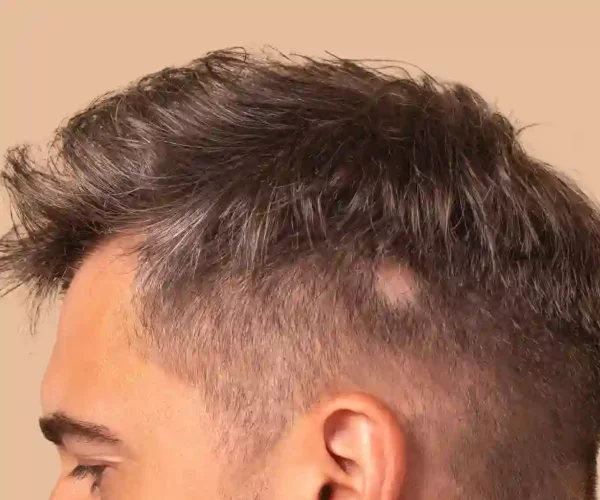
Alopecia is one of the most common hair concerns affecting men today. While many assume that hair loss is simply a normal part of aging, the truth is that alopecia can begin earlier than expected and for a variety of reasons. Understanding why alopecia happens, especially in men, is the first step toward finding the right treatment and preventing further hair thinning.
In this guide we’ll cover the main male pattern baldness causes, the hormonal factors in male alopecia, genetic hair loss in men, common alopecia symptoms, and the best contemporary hair loss treatment for men. We’ll also explain what early warning signs to watch for and how Parpar can support your hair restoration journey.
What Is Alopecia?
The term alopecia simply means hair loss. It describes a wide range of conditions in which hair is lost from the scalp or other parts of the body. Although alopecia is often associated with aging, it may appear at almost any age and for many reasons—genetic predisposition, hormonal imbalances, autoimmune processes, stress-related shedding, or scalp conditions.
Different types of alopecia present with different patterns: some cause gradual thinning, some cause distinct patches, and others may lead to complete loss of scalp or body hair. Knowing which pattern you’re experiencing helps determine the right approach, whether that is medical treatment, lifestyle changes, or procedural options.
Common Male Pattern Baldness Causes
Male pattern baldness—clinically referred to as androgenetic alopecia—is the most common form of alopecia in men. The primary male pattern baldness causes include genetic predisposition and hormonal sensitivity, particularly to dihydrotestosterone (DHT).
Other contributing factors to alopecia in men include:
- Age-related follicle miniaturization
- Long-term scalp inflammation or poor scalp health
- Nutritional deficiencies that weaken hair (iron, vitamin D, protein)
- Chronic stress or major physiological stressors (which can trigger telogen effluvium)
- Certain medications or systemic illnesses
Understanding the male pattern baldness causes helps you choose targeted strategies—both preventive and restorative—rather than generic solutions that may not address the underlying issue.
How Hormonal Factors in Male Alopecia Work
Hormones play a central role in many cases of alopecia in men. The hormone most often implicated is DHT, a derivative of testosterone. DHT binds to androgen receptors in susceptible hair follicles, causing them to shrink (a process called miniaturization) and produce progressively finer hair until growth stops.
Key points about hormonal factors in male alopecia:
- DHT sensitivity is inherited—so if you have relatives with male pattern hair loss, you may be at higher risk.
- Other hormones—like thyroid hormones and cortisol (stress hormone)—can influence hair growth cycles and trigger or worsen hair thinning.
- Hormone-focused therapies (topical or systemic) aim to reduce DHT activity or protect follicles from its effects.
Because hormonal factors in male alopecia are often predictable (and measurable), many hair loss treatment for men target this pathway to slow or reverse thinning.
Genetic Hair Loss in Men: What to Expect
Genetic hair loss in men is strongly linked to family history. If a close relative experienced early balding or a classic receding hairline, your risk increases. Genetic predisposition determines not only whether you’ll lose hair but also the likely pattern and pace.
Typical characteristics of genetic hair loss in men include:
- A receding hairline that may form an “M” shape
- Thinning at the crown and top of the scalp
- Progressive miniaturization of hair follicles over years
Genetic hair loss in men often begins gradually and may start in the late teens or early 20s. Early recognition and intervention—medical or procedural—offer the best chance to preserve existing hair.
Types of Alopecia That Affect Men
Although androgenetic alopecia is the most common, men can experience several types of alopecia. Each type may require a different treatment approach.
Androgenetic Alopecia (Male Pattern Baldness)
This is the classic pattern of hair loss in men—genetically driven and hormonally influenced. It typically presents as thinning at the crown and a receding hairline.
Alopecia Areata
An autoimmune form of alopecia that causes sudden, well-defined patchy hair loss. It may progress to alopecia totalis (complete scalp hair loss) or universalis (total body hair loss) in severe cases.
Telogen Effluvium
Triggered by stress, illness, surgery, or hormonal changes, telogen effluvium causes widespread, temporary shedding when large numbers of hairs enter the telogen (resting) phase simultaneously.
Traction Alopecia
Caused by repetitive tension on the hair (tight hairstyles), traction alopecia commonly affects hairlines and can become permanent if the stress continues.
Scarring (Cicatricial) Alopecia
Inflammatory conditions that destroy hair follicles and replace them with scar tissue; these tend to produce permanent loss and need early dermatological care.
Alopecia Symptoms Men Should Watch For
Recognizing alopecia symptoms early can make treatment more effective. Common warning signs include:
- Gradual thinning on top of the head
- A receding hairline
- Sudden patchy hair loss (round or coin-sized areas)
- Increased hair shedding during washing or brushing
- Changes in hair texture—hair becomes finer or breaks easily
- Nail changes or scalp sensitivity (in some autoimmune cases)
These alopecia symptoms vary by type: patchy hair loss is a hallmark of alopecia areata, while diffuse thinning is more typical of telogen effluvium or androgenetic alopecia.
Early Hair Loss Warning Signs You Shouldn’t Ignore
Early hair loss warning signs can be subtle. If you notice them, it’s wise to seek evaluation sooner rather than later:
- A widening part line or thinning at the crown
- Thinner ponytail or less scalp coverage when styling
- More hair left on your pillow, brush, or shower drain
- First signs of patchy hair loss or sudden localized shedding
Addressing these early hair loss warning signs with targeted hair loss treatment for men can preserve follicles and improve outcomes.
How Alopecia Is Diagnosed
Diagnosis begins with a thorough medical history and scalp examination. A specialist (dermatologist or trichologist) may perform:
- A hair-pull test to assess shedding
- Trichoscopy (scalp microscopy) to visualize follicle health
- Blood tests to check hormones, iron, thyroid function, and autoimmune markers
- Scalp biopsy in uncertain or scarring cases
Accurate diagnosis is essential because the most effective hair loss treatment for men depends on knowing whether the condition is genetic, hormonal, autoimmune, or stress-related.
Proven Hair Loss Treatment for Men
Treatment options depend on the alopecia type and severity. Below are widely accepted approaches used in modern clinics:
Topical Treatments
Minoxidil (topical) stimulates follicles and can slow thinning while improving density for many men with androgenetic alopecia.
Oral Medications
Finasteride (oral) reduces DHT levels and is effective at slowing or reversing male pattern hair loss in many patients. Newer systemic agents that target inflammatory pathways are also being used for autoimmune forms.
Procedural & In-Clinic Therapies
In-office treatments—such as low-level laser therapy, platelet-rich plasma (PRP), microneedling with growth factors, and device-based regenerative treatments—can improve scalp health and stimulate regrowth. Clinics like Parpar offer tailored in-office protocols designed for men with early to moderate alopecia.
Surgical Options
Hair transplantation (follicular unit extraction or strip harvesting) remains the definitive option for established, stable hair loss in suitably selected patients.
Supportive Care & Lifestyle
Improving diet, treating deficiencies (iron, vitamin D), lowering stress, and avoiding damaging hair practices support treatment outcomes.
Which Hair Loss Treatment for Men Is Right for You?
Choosing the best hair loss treatment for men requires an individualized plan based on diagnosis, age, expectations, and medical suitability. A combination approach is often best—for example, oral finasteride to reduce DHT combined with topical minoxidil and an in-office stimulation protocol.
Early intervention is consistently linked to better results. When follicles are only miniaturized and not destroyed, they have a greater chance of recovery with appropriate therapy.
How Parpar Approaches Male Alopecia
At Parpar, we evaluate each patient comprehensively: medical history, scalp exam, trichoscopic imaging, and laboratory tests when necessary. This lets us design an evidence-based plan combining in-clinic treatments, topical/systemic therapies, and lifestyle recommendations tailored to your pattern of hair loss.
Explore our services and schedule a consultation here: https://parpar.com/link-in-bio/
Preventive Tips & Daily Habits to Protect Your Hair
- Use gentle, sulfate-free cleansers and avoid harsh chemical treatments.
- Avoid tight hairstyles that cause traction on follicles.
- Maintain a balanced diet with adequate protein, iron, and vitamins.
- Manage stress through exercise, sleep, and mindfulness practices.
- See a specialist early when you notice thinning hair indicators.
These preventive measures complement medical treatments and help maintain long-term scalp and hair health.
Realistic Expectations & Prognosis
The prognosis for alopecia in men varies by type. Androgenetic alopecia is progressive but manageable—many men experience slowed hair loss and some regrowth with treatment. Alopecia areata is unpredictable; some people recover spontaneously while others require ongoing therapy. Scarring alopecias may cause permanent loss if not treated early.
Overall, the earlier you act on alopecia symptoms, the higher the probability of preserving hair and achieving meaningful improvement.
When to See a Specialist
Make an appointment with a dermatologist or hair specialist if you notice:
- Sudden or patchy hair loss
- A rapidly receding hairline
- Excessive daily shedding beyond your usual pattern
- Scalp pain, significant redness, or signs of infection
A professional evaluation will identify whether the cause is genetic, hormonal, autoimmune, or related to other health issues and recommend the most appropriate hair loss treatment for men.
Credible Sources & Further Reading
For scientifically grounded information about hair loss and treatment approaches, see resources from established organizations such as the American Academy of Dermatology (AAD):
American Academy of Dermatology — Hair Loss Resources
Conclusion
Alopecia in men is common but not inevitable. Understanding the male pattern baldness causes—particularly the roles of genetics and hormonal factors in male alopecia—lets you choose evidence-based options for prevention and treatment. Whether you are noticing early thinning hair indicators, a receding hairline, or patchy hair loss, early diagnosis and the right combination of therapies give you the best chance to preserve and restore hair.
If you’re ready to explore tailored, modern hair loss treatment for men, Parpar offers clinical expertise and personalized protocols designed to address your specific pattern of hair loss.
Book a consultation or learn more: https://parpar.com/services/