




What Is Vaginal Rejuvenation?
A Non-Surgical Approach to Vaginal Tightening
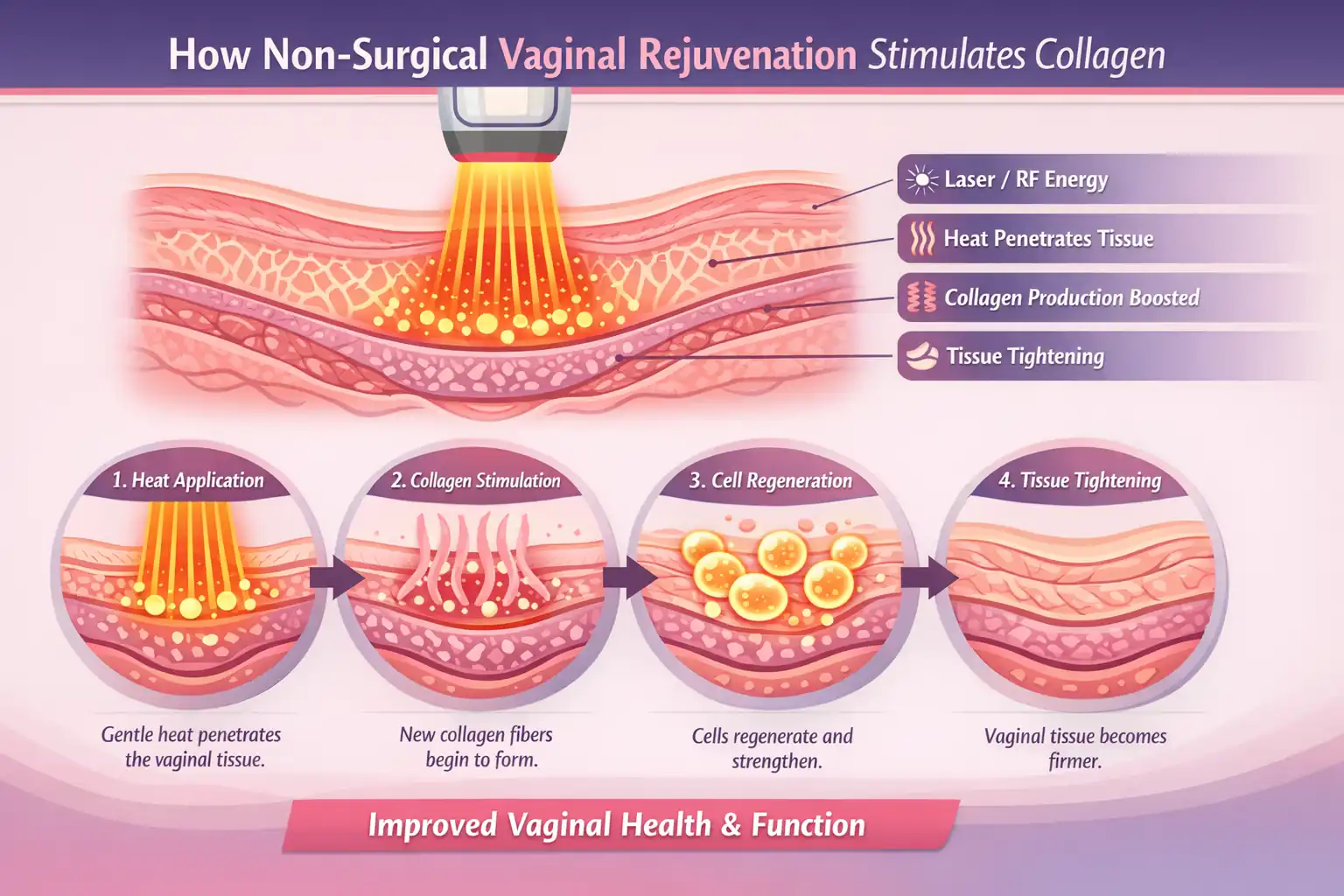
Vaginal rejuvenation typically refers to non-surgical treatments that improve vaginal tone, elasticity, and overall intimate wellness. These treatments use advanced technologies, such as laser or radiofrequency (RF), to gently stimulate collagen production within the vaginal tissue.
At Parpar, we offer specialized care through our
👉 Vaginal Rejuvenation in Suffern, NY service page, where patients can learn more about non-invasive options designed to restore comfort and confidence.
How Non-Surgical Vaginal Rejuvenation Works
Performed in-office, typically without anesthesia
Uses controlled thermal energy to stimulate collagen
Treatment sessions usually last 20–30 minutes
Little to no downtime, allowing a quick return to daily activities
Many patients appreciate this option because it fits easily into a busy lifestyle.
Common Concerns Vaginal Rejuvenation Can Address
Mild to moderate vaginal laxity
Vaginal dryness and irritation
Reduced sensation during intimacy
Mild stress urinary incontinence
For broader options, you may also explore our
👉 Non-Surgical Feminine Rejuvenation Tightening Solutions page.
What Is Vaginoplasty?
A Surgical Solution for Structural Changes
Vaginoplasty is a surgical vaginal tightening procedure that focuses on repairing and tightening the vaginal muscles and removing excess tissue. It is typically performed under anesthesia by a qualified surgeon and is considered a more invasive approach compared to non-surgical vaginal rejuvenation.
Why Some Patients Consider Vaginoplasty
Significant vaginal laxity
Structural changes following multiple vaginal deliveries
Desire for a more permanent surgical correction
Recovery and Downtime After Vaginoplasty
Several weeks of healing
Temporary restrictions on physical activity and intimacy
Follow-up visits required to monitor healing
Because surgery carries inherent risks, many patients prefer to explore non-surgical options first when appropriate.
Vaginal Rejuvenation vs. Vaginoplasty: Key Differences
| Feature | Vaginal Rejuvenation | Vaginoplasty |
|---|---|---|
| Procedure Type | Non-surgical | Surgical |
| Anesthesia | None | Local or general |
| Downtime | Minimal | Several weeks |
| Pain Level | Mild or none | Moderate |
| Results Timeline | Gradual | Immediate after healing |
| Longevity | Maintenance may be needed | Long-lasting |
| Cost | Lower | Higher |
| Risk Level | Minimal | Higher surgical risks |
This comparison highlights why non-surgical vaginal rejuvenation is often considered a first-line option.
Which Option Is Right for You?
Vaginal Rejuvenation May Be Right If You:
Prefer non-invasive treatments
Have mild to moderate symptoms
Want little to no downtime
Are not ready for surgery
Vaginoplasty May Be Recommended If You:
Have severe vaginal laxity
Require structural correction
Are medically cleared for surgery
Are comfortable with surgical recovery
A personalized consultation is essential to determine the most appropriate approach.
Results, Safety, and Expectations
What Results Can You Expect?
Non-surgical vaginal rejuvenation produces gradual improvements as collagen rebuilds over time. Many women notice increased comfort, improved moisture, and enhanced confidence. Vaginoplasty offers more immediate tightening once healing is complete but involves greater recovery.
Safety Considerations
Always choose experienced providers
Confirm non-surgical devices are FDA-cleared
Understand the risks and recovery associated with surgery
For clinical guidance, trusted medical resources include:
American College of Obstetricians and Gynecologists (ACOG)
Cleveland Clinic’s women’s health research pages.
Cost Comparison and Long-Term Maintenance
Vaginal Rejuvenation Costs
Lower upfront cost
Often involves a series of treatments
Maintenance sessions may be recommended
Vaginoplasty Costs
Higher one-time surgical cost
Includes anesthesia, surgery, and post-operative care
Cost should always be weighed alongside safety, comfort, and suitability.
Can Vaginal Rejuvenation Replace Vaginoplasty?
In many cases, yes. Patients with mild to moderate concerns often achieve excellent results with non-surgical treatments and never need surgery. Online patient discussions, such as those found in women’s health threads on Reddit, frequently highlight satisfaction with non-invasive vaginal rejuvenation when expectations are realistic. However, for significant structural changes, surgery may still be the most effective option.
Addressing Vaginal Dryness and Comfort
Vaginal dryness is a common concern that can occur independently or alongside laxity. Non-surgical treatments may help, but targeted solutions are sometimes needed. Learn more about specialized care on our
👉 Vaginal Dryness Treatment page.
Why a Professional Consultation Matters
Every body is different. A professional evaluation allows for:
Accurate diagnosis
Personalized treatment planning
Honest discussion of expected outcomes
At Parpar in Suffern, NY, consultations are discreet, informative, and focused on your comfort and goals.