

If you are dealing with persistent red patches, visible blood vessels, or small bumps on your skin, you are likely asking: what is the best treatment for rosacea on the face? Managing these daily flare-ups is incredibly frustrating. You wake up, look in the mirror, and see redness that simply refuses to fade. Finding the right facial redness treatment remains a top priority for anybody experiencing these symptoms.
When searching for the best treatment for rosacea on face, patients often feel overwhelmed by the sheer number of options. Today, we will clear up the confusion. We will look closely at the most effective therapies available at a modern skin care clinic in 2026, comparing them to older methods and home remedies. By the end of this guide, you will know exactly how to address your facial rosacea and take control of your skin health.
The Short Answer:
What is the best treatment for rosacea on the face?
For those wanting a direct answer for immediate relief: The best treatment for rosacea on the face in 2026 is a combination of advanced laser therapy (or Intense Pulsed Light) and prescription topical treatments, customized by a medical professional. While scientists have not yet figured out how to cure rosacea completely, today’s laser technology safely targets the specific facial veins and redness responsible for your symptoms. Getting early rosacea treatment at a specialized medspa stops the condition from worsening over time. Professional treatments address the root vascular concerns right away, providing long-lasting, clear results that over-the-counter creams cannot match.
Understanding Facial Rosacea
Before you can tackle the problem, you need to understand exactly what is happening beneath the surface of your skin. Facial rosacea is a chronic inflammatory skin condition. It primarily affects the center of the face, including the cheeks, nose, chin, and forehead.
People dealing with this condition usually experience a combination of the following rosacea symptoms:
- Persistent Redness: This often looks like a sunburn that will not go away.
- Visible Facial Veins: Tiny blood vessels become enlarged and visible through the skin.
- Swollen Bumps: Small, red, pus-filled bumps that resemble acne often appear during a flare-up.
- Eye Irritation: Many patients experience dry, swollen, or irritated eyes.
- Burning Sensations: The skin may feel tight, hot, or sensitive to the touch.
Your skin is reacting to internal and external factors. Blood vessels in your face dilate too easily, causing a rush of blood that creates the red appearance. Over time, these vessels can stay expanded, leading to permanent vascular concerns.
Learn what happens if rosacea is left untreated, read What Happens If Rosacea Is Left Untreated.
Identifying Your Rosacea Triggers
A big part of managing this condition involves knowing what causes your skin to react. Rosacea triggers vary from person to person. To prevent rosacea flare-ups, you need to track your daily habits and environment.
Common triggers include:
- Sun Exposure: UV rays are the number one cause of flare-ups for most people.
- Temperature Extremes: Hot weather, cold wind, and hot baths cause blood vessels to rapidly expand.
- Spicy Foods: Peppers and hot spices create a warming effect in the body that translates directly to facial redness.
- Alcohol: Red wine is particularly famous for causing sudden facial flushing.
- Stress: Emotional stress and anxiety lead to chemical changes in the body that trigger inflammation.
- Harsh Skincare Products: Abrasive scrubs, alcohol-based toners, and strong acids irritate the skin barrier.
Tracking these triggers in a daily journal helps you predict and prevent a bad reaction. For causes of unexpected flare-ups, see this article Why is My Rosacea Suddenly So Bad.
Learn more about the Causes of Sudden Rosacea Flare-ups. and How To Stop Rosacea From Progressing.
The 2026 Landscape: Modern vs. Traditional Treatments
If you ask a dermatologist, “what is the best treatment for rosacea on the face?” today, their answer will look very different than it did ten or twenty years ago. The aesthetic medical field has advanced incredibly fast. Let’s compare older methods to the options available right now.
Traditional Rosacea Treatment Methods
In the past, patients relied heavily on systemic medications and basic creams.
- Oral Antibiotics: Doctors frequently prescribed pills like doxycycline to reduce inflammation. While these can calm bumps, taking antibiotics for years disrupts your gut health and leads to other bodily issues.
- Older Topical Creams: Metronidazole was the standard cream for decades. It helps with the acne-like bumps but does absolutely nothing for the underlying redness or broken facial veins.
- Basic Skincare: Mild cleansers and heavy moisturizers provided temporary comfort but failed to fix the structural issues of the blood vessels.
2026 Breakthrough Treatments
Today, a modern rosacea treatment clinic utilizes advanced technology to physically address the vascular structures causing the redness. If you want the most effective treatment for Rosacea in Airmont NY, you will find these modern tools at top-tier facilities.
Treatment Type | How It Works | Best For |
Intense Pulsed Light (IPL) | Uses broad-spectrum light to heat and destroy broken blood vessels without harming the surrounding skin. | General facial redness, sun damage, and minor facial veins. |
Pulsed Dye Lasers (PDL) | Delivers a concentrated beam of yellow light specifically absorbed by the red pigment in blood vessels. | Stubborn redness, prominent vascular concerns, and thick skin. |
Advanced Neuromodulators | Using tiny, diluted amounts of botulinum toxin just under the skin’s surface to block the nerve signals that cause blood vessels to dilate. | Severe flushing and sweating related to rosacea. |
Next-Gen Topicals | Prescription creams containing oxymetazoline or brimonidine that temporarily constrict blood vessels. | Daily management and immediate relief before social events. |
Because of these modern advancements, a medspa can offer incredibly targeted care. The light-based therapies act as the ultimate facial redness treatment. Your body naturally absorbs the treated blood vessels over a few weeks, leaving behind a clearer, more even complexion.
Home Remedies vs. Professional Treatment
Many people try to find a facial redness remedy at home before seeking professional help. You might read articles suggesting green tea compresses, aloe vera, oatmeal masks, or dietary supplements.
Do these home remedies work? Yes and no. A cool green tea compress will temporarily soothe a burning sensation. Aloe vera provides hydration. A gentle, fragrance-free skincare routine supports a healthy skin barrier.
However, no home remedy can shrink a permanently dilated blood vessel. No over-the-counter cream can make broken capillaries disappear.
Professional treatment is necessary because rosacea is a progressive condition. If left completely untreated, the redness becomes permanent. The skin on the nose can even thicken and become bumpy over time. Relying only on a home facial redness remedy allows the underlying inflammation to continue damaging your skin.
When you visit a medical spa, the providers use high-grade equipment that physically alters the skin’s vascular network. They combine this with medical-grade skincare lines formulated specifically for highly reactive skin. To effectively halt the progression of the condition, you need the strength and precision of clinical devices.
If you’re worried about making your rosacea worst, see What Should You Not Use On Your Face If You Have Rosacea.
Finding the Right Rosacea Treatment Medspa

Deciding to seek help is a massive step. The next step is finding a location that specializes in exactly what you need. Not every aesthetic center has the right equipment or the trained staff to handle reactive, sensitive skin.
If you are looking for a medspa in New York, specifically a medspa near Airmont, you want to ask specific questions during your consultation:
- Do they have experience treating vascular concerns?
- Do they offer advanced laser or IPL technology?
- Can they customize a treatment plan specifically for your skin type?
Residents looking for a medspa in Suffern NY, Chestnut Ridge, Montebello, or Monsey have an excellent local option. A highly rated skin care clinic will map out your skin, identify your specific subtype of rosacea, and build a phased treatment plan. They will start gently to see how your skin reacts, gradually increasing the intensity of the light therapies to clear the redness completely.
Choosing a dedicated rosacea treatment clinic guarantees that the professionals handling your face understand the delicate nature of your skin barrier.
If you are dealing with facial rosacea and want the most effective care available, it is time to consult with the experts. For those seeking top-tier treatment for Rosacea in Airmont NY, Parpar Medspa in Airmont NY provides customized, state-of-the-art solutions for all vascular and inflammatory skin concerns.
What to Expect During a Professional Treatment
If you are wondering what happens when you finally book an appointment for the best treatment for rosacea on the face, the process is usually straightforward and comfortable.
Step 1: The Consultation
Your provider will examine your skin under a magnifying light. They will ask about your rosacea symptoms, your medical history, and the rosacea triggers you encounter daily.
Step 2: Preparing the Skin
Before a laser or IPL session, your skin is thoroughly cleansed. The provider will apply a cool gel to the treatment area. You will also wear protective eyewear.
Step 3: The Procedure
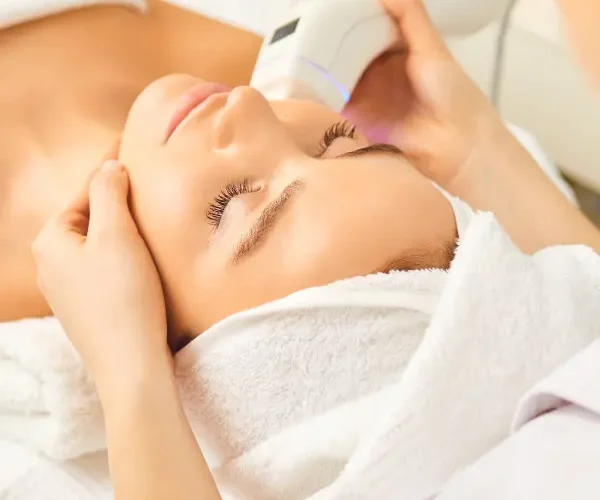
The provider passes the handpiece over your face. You will see bright flashes of light and feel a quick snapping sensation, similar to a small rubber band hitting the skin. Modern devices have built-in cooling mechanisms, keeping the skin surface comfortable while the heat works beneath the surface. A full facial session usually takes less than thirty minutes.
Step 4: Post-Care
Right after the treatment, your face will look a bit flushed, similar to a mild sunburn. The provider will apply a soothing cream and a mineral sunscreen. You can usually return to your normal daily activities right away. Over the next few days, the redness subsides, and you will begin to see a clearer complexion. Most people need a series of three to five treatments spaced several weeks apart to achieve their desired results.
Frequently Asked Questions
How to cure rosacea completely?
Currently, there is no permanent medical cure for rosacea. It is a chronic condition tied to genetics and immune system responses. However, by combining professional laser treatments with medical-grade skincare and trigger avoidance, you can force the condition into complete remission. Your skin can look entirely clear and normal for months or even years at a time with proper maintenance.
What is the best treatment for rosacea on face for immediate relief?
If you need immediate relief from a burning flare-up, a cool compress and a prescription topical cream (like Rhofade or Mirvaso) offer the fastest results. These creams constrict the blood vessels within thirty minutes, significantly dropping the redness for up to twelve hours. For immediate soothing, professional cooling masks applied at a clinic work wonders.
Can a medspa help with vascular concerns beyond just the face?
Yes. The exact same laser and IPL technologies used for facial veins and redness easily treat vascular issues on the neck, chest, and legs. Spider veins and broken capillaries respond beautifully to targeted light therapy regardless of where they appear on the body.
Is early rosacea treatment really that important?
Absolutely. Early intervention stops the blood vessels from becoming permanently stretched. It prevents the inflammation from causing structural damage to your skin, like the thickening of the skin around the nose. Catching it early means fewer treatments are required to get your skin back to normal.
How do I prevent rosacea flare-ups between clinic visits?
Stick to a rigid, gentle skincare routine. Use a mineral-based sunscreen every single day, regardless of the weather. Avoid your known triggers, whether that means skipping the hot sauce or wearing a wide-brimmed hat in the sun. Finally, maintain a cool environment when exercising to keep your body temperature stable.