

If you struggle with facial redness, visible blood vessels, and sensitive skin bumps, you are likely asking a very specific question right now. What should you not use on your face if you have rosacea? Finding the right skincare routine feels frustrating when almost everything makes your skin burn, sting, or turn bright red.
To stop rosacea from getting worse, you need to know exactly which ingredients trigger a flare-up. The quick answer to what should you not use on your face if you have rosacea includes drying alcohols, synthetic fragrances, witch hazel, harsh physical scrubs, peppermint, eucalyptus oil, menthol, and strong chemical exfoliants. Using these ingredients can strip your delicate skin barrier and trigger immediate, painful redness.
At Parpar Clinic in Airmont, we help patients control rosacea symptoms every single day. Let’s break down exactly what to avoid if you have rosacea, the daily triggers you face, and how to find the right rosacea treatment to calm your skin.
The Short List:
What Should You Not Use On Your Face If You Have Rosacea?
When deciding what should you not use on your face if you have rosacea, start by reading your skincare labels. Your skin barrier is compromised, meaning it reacts aggressively to things that normal skin handles just fine.
If you want to prevent rosacea flare-ups, completely avoid these items:
- Astringents and Toners: Most contain alcohol or witch hazel.
- Physical Exfoliants: Walnut scrubs, sugar scrubs, and cleansing brushes.
- Chemical Sunscreens: Ingredients like oxybenzone often cause heat and stinging.
- Strong Acids: High percentages of glycolic acid or salicylic acid.
- Artificial Fragrances: The number one cause of allergic contact dermatitis.
- Cooling Agents: Menthol, camphor, and peppermint oil create a false cooling sensation that actually dilates blood vessels.
![{"type":"elementor","siteurl":"https://parpar.com/wp-json/","elements":[{"id":"286ff15","elType":"widget","isInner":false,"isLocked":false,"settings":{"image":{"url":"https://parpar.com/wp-content/uploads/2026/03/what-to-should-you-not-use-on-your-face-if-you-have-rosacea-e1773763736766.webp","id":5699,"size":"","alt":"what to should you not use on your face if you have rosacea","source":"library"},"image_size":"large","image_custom_dimension":{"width":"","height":""},"caption_source":"none","caption":"","link_to":"none","link":{"url":"","is_external":"","nofollow":"","custom_attributes":""},"open_lightbox":"default","align":"","align_tablet":"","align_mobile":"","width":{"unit":"%","size":"","sizes":[]},"width_tablet":{"unit":"%","size":"","sizes":[]},"width_mobile":{"unit":"%","size":"","sizes":[]},"space":{"unit":"%","size":"","sizes":[]},"space_tablet":{"unit":"%","size":"","sizes":[]},"space_mobile":{"unit":"%","size":"","sizes":[]},"height":{"unit":"px","size":"","sizes":[]},"height_tablet":{"unit":"px","size":"","sizes":[]},"height_mobile":{"unit":"px","size":"","sizes":[]},"object-fit":"","object-fit_tablet":"","object-fit_mobile":"","object-position":"center center","object-position_tablet":"","object-position_mobile":"","opacity":{"unit":"px","size":"","sizes":[]},"css_filters_css_filter":"","css_filters_blur":{"unit":"px","size":0,"sizes":[]},"css_filters_brightness":{"unit":"px","size":100,"sizes":[]},"css_filters_contrast":{"unit":"px","size":100,"sizes":[]},"css_filters_saturate":{"unit":"px","size":100,"sizes":[]},"css_filters_hue":{"unit":"px","size":0,"sizes":[]},"opacity_hover":{"unit":"px","size":"","sizes":[]},"css_filters_hover_css_filter":"","css_filters_hover_blur":{"unit":"px","size":0,"sizes":[]},"css_filters_hover_brightness":{"unit":"px","size":100,"sizes":[]},"css_filters_hover_contrast":{"unit":"px","size":100,"sizes":[]},"css_filters_hover_saturate":{"unit":"px","size":100,"sizes":[]},"css_filters_hover_hue":{"unit":"px","size":0,"sizes":[]},"background_hover_transition":{"unit":"px","size":"","sizes":[]},"hover_animation":"","image_border_border":"","image_border_width":{"unit":"px","top":"","right":"","bottom":"","left":"","isLinked":true},"image_border_width_tablet":{"unit":"px","top":"","right":"","bottom":"","left":"","isLinked":true},"image_border_width_mobile":{"unit":"px","top":"","right":"","bottom":"","left":"","isLinked":true},"image_border_color":"","image_border_radius":{"unit":"px","top":"","right":"","bottom":"","left":"","isLinked":true},"image_border_radius_tablet":{"unit":"px","top":"","right":"","bottom":"","left":"","isLinked":true},"image_border_radius_mobile":{"unit":"px","top":"","right":"","bottom":"","left":"","isLinked":true},"image_box_shadow_box_shadow_type":"","image_box_shadow_box_shadow":{"horizontal":0,"vertical":0,"blur":10,"spread":0,"color":"rgba(0,0,0,0.5)"},"caption_align":"","caption_align_tablet":"","caption_align_mobile":"","text_color":"","caption_background_color":"","caption_typography_typography":"","caption_typography_font_family":"","caption_typography_font_size":{"unit":"px","size":"","sizes":[]},"caption_typography_font_size_tablet":{"unit":"px","size":"","sizes":[]},"caption_typography_font_size_mobile":{"unit":"px","size":"","sizes":[]},"caption_typography_font_weight":"","caption_typography_text_transform":"","caption_typography_font_style":"","caption_typography_text_decoration":"","caption_typography_line_height":{"unit":"px","size":"","sizes":[]},"caption_typography_line_height_tablet":{"unit":"em","size":"","sizes":[]},"caption_typography_line_height_mobile":{"unit":"em","size":"","sizes":[]},"caption_typography_letter_spacing":{"unit":"px","size":"","sizes":[]},"caption_typography_letter_spacing_tablet":{"unit":"px","size":"","sizes":[]},"caption_typography_letter_spacing_mobile":{"unit":"px","size":"","sizes":[]},"caption_typography_word_spacing":{"unit":"px","size":"","sizes":[]},"caption_typography_word_spacing_tablet":{"unit":"em","size":"","sizes":[]},"caption_typography_word_spacing_mobile":{"unit":"em","size":"","sizes":[]},"caption_text_shadow_text_shadow_type":"","caption_text_shadow_text_shadow":{"horizontal":0,"vertical":0,"blur":10,"color":"rgba(0,0,0,0.3)"},"caption_space":{"unit":"px","size":"","sizes":[]},"caption_space_tablet":{"unit":"px","size":"","sizes":[]},"caption_space_mobile":{"unit":"px","size":"","sizes":[]},"_title":"","_margin":{"unit":"px","top":"","right":"","bottom":"","left":"","isLinked":true},"_margin_tablet":{"unit":"px","top":"","right":"","bottom":"","left":"","isLinked":true},"_margin_mobile":{"unit":"px","top":"","right":"","bottom":"","left":"","isLinked":true},"_padding":{"unit":"px","top":"","right":"","bottom":"","left":"","isLinked":true},"_padding_tablet":{"unit":"px","top":"","right":"","bottom":"","left":"","isLinked":true},"_padding_mobile":{"unit":"px","top":"","right":"","bottom":"","left":"","isLinked":true},"_element_width":"","_element_width_tablet":"","_element_width_mobile":"","_element_custom_width":{"unit":"%","size":"","sizes":[]},"_element_custom_width_tablet":{"unit":"px","size":"","sizes":[]},"_element_custom_width_mobile":{"unit":"px","size":"","sizes":[]},"_grid_column":"","_grid_column_tablet":"","_grid_column_mobile":"","_grid_column_custom":"","_grid_column_custom_tablet":"","_grid_column_custom_mobile":"","_grid_row":"","_grid_row_tablet":"","_grid_row_mobile":"","_grid_row_custom":"","_grid_row_custom_tablet":"","_grid_row_custom_mobile":"","_flex_align_self":"","_flex_align_self_tablet":"","_flex_align_self_mobile":"","_flex_order":"","_flex_order_tablet":"","_flex_order_mobile":"","_flex_order_custom":"","_flex_order_custom_tablet":"","_flex_order_custom_mobile":"","_flex_size":"","_flex_size_tablet":"","_flex_size_mobile":"","_flex_grow":1,"_flex_grow_tablet":"","_flex_grow_mobile":"","_flex_shrink":1,"_flex_shrink_tablet":"","_flex_shrink_mobile":"","_element_vertical_align":"","_element_vertical_align_tablet":"","_element_vertical_align_mobile":"","_position":"","_offset_orientation_h":"start","_offset_x":{"unit":"px","size":0,"sizes":[]},"_offset_x_tablet":{"unit":"px","size":"","sizes":[]},"_offset_x_mobile":{"unit":"px","size":"","sizes":[]},"_offset_x_end":{"unit":"px","size":0,"sizes":[]},"_offset_x_end_tablet":{"unit":"px","size":"","sizes":[]},"_offset_x_end_mobile":{"unit":"px","size":"","sizes":[]},"_offset_orientation_v":"start","_offset_y":{"unit":"px","size":0,"sizes":[]},"_offset_y_tablet":{"unit":"px","size":"","sizes":[]},"_offset_y_mobile":{"unit":"px","size":"","sizes":[]},"_offset_y_end":{"unit":"px","size":0,"sizes":[]},"_offset_y_end_tablet":{"unit":"px","size":"","sizes":[]},"_offset_y_end_mobile":{"unit":"px","size":"","sizes":[]},"_z_index":"","_z_index_tablet":"","_z_index_mobile":"","_element_id":"","_css_classes":"","e_display_conditions":"","_element_cache":"","pp_display_conditions_enable":"","pp_display_conditions_output":"","pp_display_conditions_relation":"all","pp_display_conditions":[{"pp_condition_key":"authentication","pp_condition_operator":"is","pp_condition_authentication_value":"authenticated","_id":"7ef4ca9","pp_condition_acf_text_name":"","pp_condition_acf_choice_name":"","pp_condition_acf_true_false_name":"","pp_condition_acf_post_name":"","pp_condition_acf_taxonomy_name":"","pp_condition_acf_date_time_name":"","pp_condition_shortcode_name":"","pp_condition_operator_advanced":">","pp_condition_operator_date":"](https://parpar-v1769488046.websitepro-cdn.com/wp-content/uploads/2026/03/what-to-should-you-not-use-on-your-face-if-you-have-rosacea.webp)
Understanding Rosacea On Face: Symptoms and Triggers
Before we list more things regarding what should you not use on your face if you have rosacea, we need to talk about what causes rosacea to start. Medical professionals do not have one single definitive cause, but genetics, immune system reactions, and a microscopic skin mite called Demodex all play a part.
Common Rosacea Symptoms
Mild rosacea often starts as a simple tendency to blush or flush easily. Over time, rosacea on face can progress. You might notice:
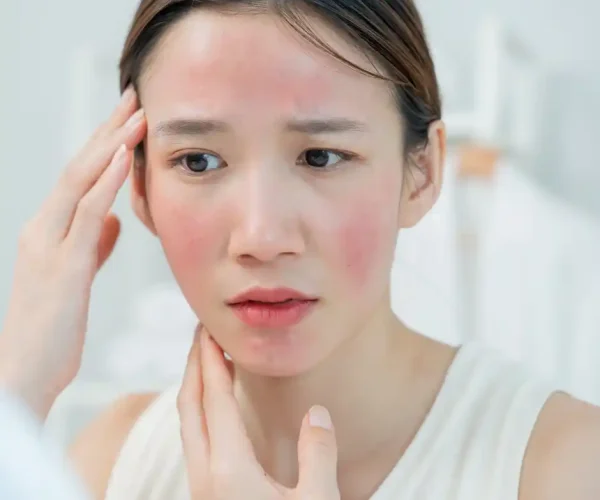
- Persistent facial redness in the center of your face.
- Swollen red bumps that look like acne (but are not).
- Visible, broken blood vessels (telangiectasia).
- Burning, stinging, or a tight feeling.
- Thickened skin, mostly around the nose.
Daily Rosacea Triggers
Knowing what to avoid if you have rosacea goes beyond your bathroom cabinet. Daily lifestyle habits play a huge role. Heat is a massive trigger. Hot showers, hot yoga, and sitting near a fireplace can all make your face flush. Hot beverages and spicy foods dilate your blood vessels quickly, leading to an immediate red face. Sun exposure is another massive trigger. Ultraviolet rays damage the skin and increase inflammation.
To slow down rosacea progression, you need to combine a safe skincare routine with smart lifestyle choices. This brings us back to our main topic: what should you not use on your face if you have rosacea when buying products.
Get Rid of Rosacea Permanently: What Really Works?
The Deep Breakdown: What Should You Not Use On Your Face If You Have Rosacea
Let’s look closely at specific ingredients. When patients come to our rosacea treatment medspa, they often bring a bag of their current skincare products. We frequently have to throw most of them in the trash. Here is a detailed guide on what should you not use on your face if you have rosacea.
1. Drying Alcohols
When you ask dermatologists what should you not use on your face if you have rosacea, SD alcohol, denatured alcohol, and isopropyl alcohol top the list. Brands put alcohol in products to make them dry quickly and feel lightweight. For someone with rosacea, alcohol destroys the natural moisture barrier. It leaves your skin completely unprotected against environmental triggers.
2. Witch Hazel
People often think witch hazel is a gentle, natural remedy for red skin. This is false. Witch hazel is highly astringent. It strips the skin of natural oils and almost always causes severe irritation for rosacea patients. When figuring out what should you not use on your face if you have rosacea, keep all witch hazel products away from your skin.
3. Artificial Fragrances and Essential Oils
You might love the smell of lavender or citrus in your face wash, but your skin hates it. Fragrance is a major irritant. “Unscented” does not mean fragrance-free. Unscented products sometimes use masking fragrances to hide the smell of chemicals. Always look for “fragrance-free” on the label.
Also, avoid “natural” essential oils. Peppermint, eucalyptus, tea tree oil, and clove oil might sound healthy. For rosacea, they are incredibly irritating. They cause a burning sensation and increased redness.
4. Physical Scrubs and Cleansing Brushes
Friction is your enemy. If you are wondering what should you not use on your face if you have rosacea, remove all physical scrubs from your shower. Apricot scrubs, sugar scrubs, rough washcloths, and spinning cleansing brushes cause micro-tears in the skin. This physical trauma signals your body to send more blood to the area, creating a massive, painful flare-up.
5. Chemical Sunscreens
Sunscreen is a daily requirement for rosacea management tips, but the type of sunscreen matters. Chemical sunscreens absorb UV rays and convert them into heat. Heat triggers rosacea. Ingredients like avobenzone, oxybenzone, and octinoxate can cause stinging and burning.
6. Menthol and Camphor
Products designed to “cool” or “tingle” the skin usually contain menthol or camphor. They trick your nerve endings into feeling cold, but they actually cause your blood vessels to dilate. Dilated blood vessels mean more visible redness.
When you constantly ask what should you not use on your face if you have rosacea, remembering to avoid the “tingle” will save you a lot of pain.
Finding the Right Rosacea Cream
Now that we know exactly what to avoid if you have rosacea, what can you actually use? Early rosacea treatment at home starts with keeping things incredibly simple.
You need a gentle, non-foaming cleanser. Look for creamy textures that do not leave your skin feeling tight or squeaky clean. Hydration is highly necessary. A good rosacea cream should focus on barrier repair. Look for ingredients like ceramides, hyaluronic acid, niacinamide (if your skin tolerates it), and glycerin.
For sun protection, you must use a mineral sunscreen. Mineral sunscreens use zinc oxide or titanium dioxide. These sit on top of the skin and reflect UV rays away, preventing the heat buildup that chemical sunscreens cause.
Sometimes, an over-the-counter rosacea cream is not enough. You might need prescription topical medications from a doctor to control rosacea symptoms, especially if you have the bumpy, acne-like type of rosacea.
Professional Treatment For Rosacea in Airmont NY
Many people ask our clinic: is rosacea curable? Right now, there is no permanent cure. However, with the right routine and professional help, you can absolutely control rosacea symptoms and achieve clear, comfortable skin.
If you are tired of guessing what should you not use on your face if you have rosacea, visiting a professional skin care clinic is your best next step. At Parpar Clinic in Airmont, we offer advanced therapies that go far beyond what a daily rosacea cream can do.
Intense Pulsed Light (IPL) Therapy
IPL is one of the most effective treatments for the redness and broken blood vessels associated with rosacea on face. IPL uses broad-spectrum light to target the hemoglobin in the red blood vessels. The heat destroys the damaged vessels, and your body naturally absorbs them. After a few sessions, the background redness fades away nicely.
7 Powerful Benefits of Light Therapy for Rosacea | Reduce Redness & Restore Clear Skin
Laser Therapy
Different types of lasers can target specific concerns. Vascular lasers specifically shut down prominent visible blood vessels around the nose and cheeks. For patients with skin thickening (rhinophyma), ablative lasers can gently reshape the affected area.
Professional Treatment For Rosacea in Airmont NY
When you visit a medspa near Airmont for rosacea, we evaluate several biological factors to choose the safest, most effective treatment for you.
Skin Tone
Skin tone heavily influences which lasers and light therapies we can safely use. IPL and vascular lasers target pigment (the red color in your blood vessels). If you have a darker skin tone, there is a higher amount of melanin in your skin. The laser might mistakenly target your natural melanin instead of the red blood vessels, risking burns or hyperpigmentation. We use specific, skin-safe laser wavelengths for our patients with deeper skin tones to protect their skin barrier while still reducing redness.
Hair Color
While hair color matters more for laser hair removal, it sometimes plays a tiny role in rosacea treatments. Patients with very dense, dark facial hair might experience a bit more heat sensation during IPL treatments on the cheeks or jawline, because the laser energy is absorbed by the dark hair follicles alongside the red blood vessels. We adjust the machine settings to accommodate this.
Hormones
Hormones constantly change the way your skin behaves. Many women experience worse rosacea flare-ups during pregnancy, menopause, or certain phases of their menstrual cycle due to fluctuating estrogen and progesterone levels. Hormonal shifts can cause vasodilation (widening of the blood vessels) and increase skin sensitivity. If you are experiencing a hormonal flare-up, we might adjust your treatment plan to focus entirely on soothing the skin until the flare-up passes.
Preparation Tips for Rosacea Treatments
If you are coming into our rosacea treatment clinic for a laser or IPL session, you need to prepare your skin properly.
- Stay out of the sun: Avoid heavy sun exposure for at least two weeks before your appointment. We cannot treat tanned or sunburned skin.
- Stop using active ingredients: Pause your use of retinoids, high-strength vitamin C, and any chemical exfoliants for five to seven days before your treatment.
- Remember the avoid list: Keep strictly to the rules of what should you not use on your face if you have rosacea. Do not use scrubs, harsh alcohols, or fragrant face washes leading up to your appointment.
- Arrive with a clean face: Come to the medspa with no makeup, no heavy lotions, and no sunscreen if possible.
Aftercare Tips for Rosacea Treatments
Post-treatment care dictates your final results. Your skin will feel a little warm and look slightly redder immediately after a laser session.
- Cool it down: Use cool compresses if needed, but never apply direct ice to the skin.
- Use only gentle products: Stick to a mild, non-foaming cleanser and a basic, fragrance-free moisturizer.
- Apply mineral SPF daily: Your skin will be highly sensitive to UV rays. Apply a zinc oxide sunscreen every single morning.
- Avoid heat: No hot showers, saunas, heavy workouts, or spicy foods for at least 48 hours. You want to keep your blood vessels calm.
- Do not pick: If you have any minor crusting or flaking, leave it alone. Picking will cause scarring.
Why Choose Parpar Clinic: Your Local Rosacea Treatment Medspa
Dealing with facial redness is exhausting. You spend hours reading labels, typing “what should you not use on your face if you have rosacea” into search engines, and wasting money on products that cause burning and stinging. You need a trusted partner to stop rosacea from getting worse.
Parpar Clinic is a premier medspa in New York, conveniently serving patients looking for a Medspa in Suffern NY, Chestnut Ridge, Montebello, Monsey, and beyond. We specialize in sensitive skin conditions such as Rosacea and other vascular concerns like facial veins and spider veins. We do not just hand you a random rosacea cream. We analyze your specific triggers, explain what to avoid if you have rosacea, and build a custom treatment plan using advanced, medical-grade technology.
If you are looking for top-tier treatment for rosacea in Airmont NY, our team is ready to help you calm your complexion, fade those stubborn broken capillaries, and restore your confidence.
Frequently Asked Questions
What is the number one trigger for rosacea?
Sun exposure and heat are the most common triggers. UV rays damage the skin barrier and cause blood vessels to expand. Always use a mineral-based sunscreen and wear a wide-brimmed hat when spending time outdoors.
What should you not use on your face if you have rosacea when washing it?
You should never use physical scrubs, rough washcloths, or spinning cleansing brushes. Friction triggers massive flare-ups. You must also avoid cleansers containing alcohol, witch hazel, sodium lauryl sulfate (SLS), and synthetic fragrances.
Is rosacea curable?
There is currently no absolute cure for rosacea. However, it is highly manageable. Through a combination of avoiding triggers, using gentle skincare, and getting professional medspa treatments like IPL, you can completely control rosacea symptoms and maintain clear skin.
What causes rosacea to start in the first place?
The exact cause remains unknown. Doctors believe it is a combination of genetics, overactive immune system responses, environmental factors, and an overabundance of Demodex mites that naturally live on human skin.
Can I wear makeup if I have mild rosacea?
Yes, but you need to choose your products carefully. Look for mineral-based makeup. Mineral foundations usually contain zinc oxide or titanium dioxide, which can actually help soothe the skin. Avoid liquid foundations that contain heavy fragrances, alcohols, or pore-clogging oils. Always remove your makeup gently at the end of the day without harsh scrubbing.
How do I slow down rosacea progression?
Early rosacea treatment is the best way to slow down the progression. Identify your lifestyle triggers (like spicy foods, hot showers, or red wine) and limit them. Follow a strict, gentle skincare routine. Get professional treatments to manage visible blood vessels before they multiply and become more prominent.
Are chemical peels a good treatment for rosacea?
Heavy, aggressive chemical peels are generally not recommended for rosacea, as they can cause severe inflammation. However, very mild, superficial peels using gentle acids like mandelic acid or low-strength lactic acid can sometimes help with the bumpy texture of rosacea, provided they are applied by a highly trained professional at a skin care clinic.
What kind of moisturizer is best to stop rosacea from getting worse?
A moisturizer focused on barrier repair is best. Look for fragrance-free creams containing ceramides, glycerin, and hyaluronic acid. Avoid anything with a “cooling” effect, as it likely contains menthol or camphor, which you already know from our list of what should you not use on your face if you have rosacea.