


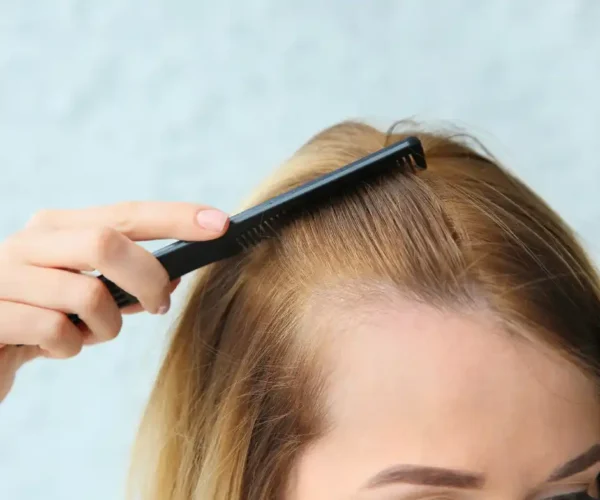
Alopecia affects millions of people worldwide, and one of the most common questions is whether stress plays a direct role in causing hair loss. While many people experience occasional shedding, others notice significant hair thinning from stress that becomes alarming. Understanding how stress and alopecia are connected can help you identify alopecia triggers early and take steps toward recovery. This comprehensive guide explains the link between alopecia and stress, the different types of stress-related hair loss such as telogen effluvium, and what you can do to manage and restore healthy hair.
What Is Alopecia?
Alopecia is a medical term that refers to hair loss from the scalp or body. It can occur suddenly or gradually, depending on what triggers it. Some cases are temporary, while others may be long-lasting or recurring. Regardless of the cause, alopecia significantly affects confidence, emotional well-being, and quality of life.
There are different types of alopecia, including alopecia areata, androgenetic alopecia, traction alopecia, and stress-induced hair loss. Each type has unique characteristics, but all share one similarity: they involve disruption in the normal hair growth cycle. This disruption can be influenced by factors such as genetics, hormones, autoimmune responses, and sometimes environmental factors—particularly stress.
How Stress Affects the Body
Stress is more than just a feeling; it is a physiological reaction that triggers hormonal and chemical responses in the body. When you experience stress, your body releases cortisol and adrenaline—two stress hormones that help you respond to danger. However, chronic or prolonged stress leads to imbalances that can negatively affect your immune system, skin, digestion, and even your hair follicles.
When these hormones remain elevated, your body enters a prolonged fight-or-flight state. Over time, this can cause inflammation, restrict blood flow to the scalp, and disrupt the hair growth cycle. All of these changes can eventually contribute to stress-induced hair loss.
The Link Between Stress and Alopecia
Although not everyone who experiences stress will develop alopecia, research shows that stress can be a significant contributor to several forms of hair loss. Stress does not always cause alopecia by itself, but it can be a major part of the chain of alopecia triggers that activate dormant conditions or worsen existing ones.
Stress may also weaken the body’s immune system. When this happens, immune cells may mistakenly attack hair follicles in conditions like alopecia areata. Additionally, high stress levels can push large numbers of hair follicles into a resting phase, leading to excessive shedding known as telogen effluvium.
Because stress is so widespread, many people experience hair thinning from stress without realizing it, assuming the issue is nutritional or hormonal instead. For some individuals, alopecia triggered by stress may be temporary, while others may require medical intervention.
Types of Stress-Related Hair Loss
There are three primary forms of hair loss associated with stress. Understanding each one can help you identify which type may be affecting you.
1. Telogen Effluvium
Telogen effluvium is one of the most common forms of stress-induced hair loss. It occurs when high stress levels push hair follicles prematurely into the telogen (resting) phase. After a few months, the affected hairs fall out in large quantities, leading to noticeable thinning. Telogen effluvium causes shedding that can be seen while showering, brushing, or even gently touching your hair.
This condition is usually temporary, but it can still be emotionally distressing. People experiencing telogen effluvium often report thinning all over the scalp rather than in patches. If you notice this pattern alongside periods of high stress, you may be experiencing telogen effluvium.
2. Alopecia Areata Triggered by Stress
Alopecia areata is an autoimmune condition in which the body mistakenly attacks its own hair follicles. While the exact cause is still being studied, stress is recognized as one of the top alopecia triggers. A stressful event may not directly cause alopecia areata, but it can activate or exacerbate the condition, leading to round bald patches or widespread shedding.
Unlike telogen effluvium, alopecia areata often results in specific, defined bald spots. The immune system plays a major role, and stress influences immune responses, making stress a significant factor in flare-ups for many individuals.
3. Trichotillomania (Hair-Pulling Disorder)
This is a psychological condition often linked to anxiety and stress. Individuals with trichotillomania feel an irresistible urge to pull out their hair, leading to thinning or bald patches over time. Although this is not alopecia in the traditional sense, it results in noticeable hair loss influenced by mental and emotional stress.
Common Alopecia Triggers Caused by Stress
Stress may not act alone in creating hair loss. Instead, it often sets the stage for other alopecia triggers that contribute to the condition.
Hormonal Imbalance
Stress disrupts hormones such as cortisol, adrenaline, thyroid hormones, and reproductive hormones. Hormones play a crucial role in hair growth, and any imbalance can cause hair thinning from stress. Hormonal shifts may worsen telogen effluvium or contribute to chronic shedding.
Weakened Immune System
When your immune system is compromised by stress, it may react abnormally, sometimes targeting healthy hair follicles. For individuals genetically predisposed to alopecia areata, stress remains one of the top alopecia triggers for immune-related scalp inflammation.
Restricted Blood Flow to Hair Follicles
Stress can tighten blood vessels, reducing circulation to the scalp. Poor oxygen and nutrient delivery to follicles weakens hair strands, leading to stress-induced hair loss and making existing shedding worse.
Nutrient Deficiency from Chronic Stress
Stress affects digestion and nutrient absorption, often depleting essential vitamins like iron, zinc, vitamin D, biotin, and protein. These nutrient deficiencies can accelerate telogen effluvium causes and contribute to overall hair thinning from stress.
Signs That Stress Is Affecting Your Hair
Stress-related alopecia can manifest in several ways. Look out for these common signs:
- Gradual or sudden hair thinning from stress
- Excessive shedding in the shower or on your pillow
- Round bald patches (may indicate alopecia areata)
- Diffuse thinning across the entire scalp
- Noticeable decrease in hair volume
- Urge to pull hair or twisting strands while stressed
These symptoms may overlap with other health conditions, making early diagnosis important.
How Long Does Stress-Induced Hair Loss Last?
In most cases, acute stress-induced hair loss such as telogen effluvium lasts between 3 to 6 months. However, chronic stress can prolong the condition, making recovery slower. Alopecia areata triggered by stress can appear suddenly and may require medical treatment to manage flare-ups.
The sooner stress is managed and underlying alopecia triggers are addressed, the faster the hair growth cycle can return to normal.
How to Manage Stress-Related Alopecia
Managing alopecia caused by stress requires a combination of stress management strategies, scalp care, and medical treatment when needed. Here are proven approaches:
1. Reduce Stress Levels
Incorporate relaxation techniques such as meditation, mindfulness, breathing exercises, and physical activity. Even 10 minutes a day can lower cortisol levels and help reduce stress-induced hair loss.
2. Improve Sleep Quality
Sleep plays a major role in hormone regulation and immune function. Prioritize 7–9 hours of high-quality sleep to support healthy hair growth.
3. Nourish Your Body
Ensure your diet includes protein, iron, zinc, vitamin D, omega-3 fatty acids, and other hair-strengthening nutrients. Stress often depletes these nutrients, contributing to telogen effluvium causes.
4. Avoid Tight Hairstyles
Styles that pull the hair, such as tight ponytails or braids, may worsen thinning or shedding triggered by stress.
5. Seek Professional Treatment
If your hair thinning from stress persists beyond six months or you notice bald patches, consulting a specialist is essential. At Parpar, we offer advanced medical solutions for alopecia, including Alopecia Areata Treatment designed to address autoimmune-related hair loss and stress-triggered flare-ups.
Medical Treatments That Address Stress-Related Alopecia
Treatments vary depending on whether the hair loss is caused by telogen effluvium, alopecia areata, or chronic stress. Common medical options include:
Topical Treatments
These support hair regrowth by increasing blood flow and stimulating follicles. Beneficial for stress-induced hair loss and early alopecia.
Platelet-Rich Plasma (PRP)
PRP therapy uses your body’s own growth factors to enhance hair regeneration. This can help reverse hair thinning from stress by strengthening weak follicles.
Energy-Based Scalp Treatments
Some clinics use advanced technologies to promote healthier follicles. Parpar offers specialized treatments tailored to alopecia triggers and stress-related shedding.
Medical Evaluation
A professional evaluation ensures accurate diagnosis. Some individuals misinterpret nutrient deficiency or hormonal imbalance as alopecia, making medical assessment crucial.
Can Stress Alone Cause Permanent Alopecia?
In most situations, stress alone does not cause permanent hair loss. However, severe or chronic stress can worsen existing conditions like alopecia areata or androgenetic alopecia. When stress remains unaddressed for long periods, it may contribute to long-term thinning by repeatedly disrupting the hair growth cycle.
Good news: most cases involving stress-induced hair loss are reversible with proper care, lifestyle adjustments, and professional treatment.
When to See a Hair Loss Specialist
You should consider seeking help if:
- Your shedding continues for more than 6 months
- Bald patches appear suddenly
- You experience hair thinning from stress during major life changes
- You have a family history of alopecia
- Your scalp becomes irritated or inflamed
Addressing alopecia early increases the chances of full recovery and prevents further damage.
External Source
Information supported by the American Academy of Dermatology (AAD), which states that stress can contribute to temporary hair shedding and may worsen autoimmune-related alopecia.
Conclusion
Stress can significantly impact your hair, contributing to stress-induced hair loss, telogen effluvium causes, and other alopecia triggers. The good news is that most stress-related alopecia is treatable and often reversible. By understanding how stress affects the hair growth cycle and taking proactive steps—including lifestyle changes and professional treatment—you can restore your confidence and improve your overall well-being.
If you’re ready to take the next step toward treating alopecia, learn more about our advanced solutions at Parpar: Alopecia Areata Treatment in Airmont, NY.