

Alopecia affects millions of men and women worldwide. Whether it’s thinning hair, patchy loss, or complete baldness, the emotional and physical effects can be challenging. The good news? Modern advancements in alopecia treatment options now give patients more hope than ever, especially with highly effective non-surgical hair restoration solutions.
This comprehensive guide will walk you through everything you need to know about hair restoration for alopecia—from what causes hair loss, what treatments are available, what to expect during the process, and how long-term scalp health improvement plays a major role. Whether you’re just noticing signs of alopecia or actively searching for answers, this guide is your starting point for understanding the journey toward hair regrowth.
What Is Alopecia?
Alopecia is a medical term used to describe hair loss from any part of the body, but it is most commonly associated with scalp hair loss. It can occur gradually or suddenly, depending on the type and underlying cause. Alopecia may affect small patches, large areas, or the entire scalp.
Some of the most common types of alopecia include:
Alopecia Areata
An autoimmune condition where the immune system mistakenly attacks hair follicles. It often shows up as round or patchy bald spots. This condition is unpredictable—some patients experience regrowth, while others may see repeated cycles of hair loss. The need for effective alopecia treatment options is essential to manage the condition.
Androgenetic Alopecia
Also known as male-pattern or female-pattern baldness, this type is influenced by hormones and genetics. Hair thinning typically follows a predictable pattern, and early treatment is crucial for better hair regrowth expectations.
Telogen Effluvium
This condition occurs when excessive stress pushes a large number of hair follicles into the shedding phase. While temporary, it still requires proper care to support recovery and scalp health improvement.
According to the American Academy of Dermatology, alopecia is incredibly common and can affect people of all ages and genders. (Source: American Academy of Dermatology)
Why Hair Restoration Matters
For many individuals, hair is deeply connected to identity, self-confidence, and emotional well-being. When alopecia begins, the emotional impact can be as significant as the physical one. The purpose of non-surgical hair restoration is not only to stimulate regrowth but also to restore confidence, comfort, and quality of life.
People seek alopecia treatment options because:
- The hair loss is progressing.
- They want visible and long-lasting improvements.
- They want hair regrowth expectations clarified.
- They want to avoid surgical procedures.
- They desire scalp health improvement in general.
With modern solutions, you can now achieve fuller, natural-looking hair without surgery—making hair restoration more accessible than ever.
What Causes Alopecia?
Understanding the cause of alopecia is one of the first steps in deciding which alopecia treatment options are suitable. The causes vary widely and often include:
Genetics
Family history plays a major role in androgenetic alopecia. The scalp becomes sensitive to hormones, causing shortening of the hair growth cycle.
Autoimmune Response
In alopecia areata, the immune system attacks healthy hair follicles. This is where targeted non-surgical hair restoration can help manage symptoms and support regrowth.
Stress and Hormonal Changes
Stress-induced alopecia or post-pregnancy shedding are typical examples of telogen effluvium. While temporary, the process still requires care for scalp health improvement.
Nutrient Deficiencies
Lack of vitamins like iron, biotin, or D3 can weaken hair and cause shedding.
Medical Conditions
Thyroid disorders, PCOS, anemia, and other conditions can lead to alopecia or thinning hair.
Identifying the root cause helps set realistic hair regrowth expectations and ensures the right treatment plan.
Hair Restoration Options for Alopecia
Today’s advancements offer multiple alopecia treatment options, and many of them fall under non-surgical hair restoration—a safe, effective category that works with your body’s natural healing processes. Below are the most commonly recommended options.
1. Laser Therapy for Alopecia
Low-level laser therapy (LLLT) stimulates blood flow and energizes hair follicles. This helps extend the growth phase and supports scalp health improvement. LLLT is painless and ideal for early to moderate alopecia.
2. Microneedling for Hair Growth
Microneedling creates controlled micro-injuries that stimulate collagen production and increase topical absorption. It’s a powerful tool in non-surgical hair restoration and improves the scalp environment for stronger regrowth.
3. PRP or Growth-Stimulating Serum Treatment
One of today’s most effective alopecia treatment options involves using growth factors that encourage follicles to regenerate. This improves thickness, density, and the overall look of hair.
4. Medical-Grade Topicals and Supplements
Treatments like minoxidil, peptides, and prescription-based serums help improve hair density. Vitamins and minerals enhance scalp health improvement and support long-term results.
5. Scalp Health Treatments
Healthy hair begins with a healthy scalp. Hydration, exfoliation, and anti-inflammatory treatments help reduce irritation and promote a balanced environment for regrowth.
With modern alopecia treatment options, most patients can expect noticeable improvements even without surgery.
What to Expect From Hair Restoration Treatments
One of the most important factors for patients is understanding realistic hair regrowth expectations. Results vary depending on the severity of alopecia, the treatment type, and consistency. Here’s a breakdown of what the typical journey looks like.
1. The Consultation
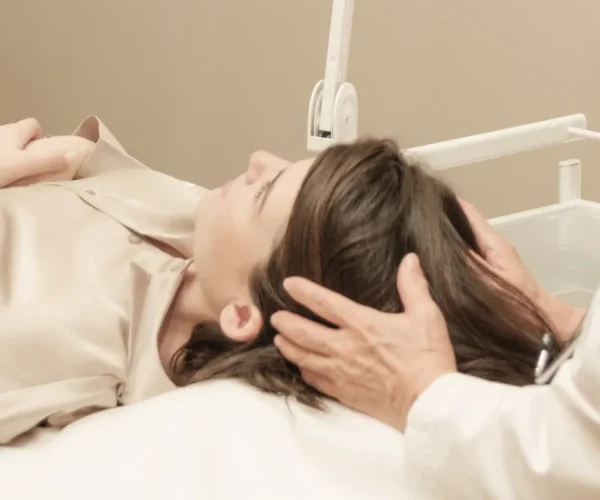
Your journey begins with an evaluation of your scalp condition, medical history, and type of alopecia. This helps determine the best non-surgical hair restoration plan for you.
- Scalp assessment
- Hair follicle density check
- Medical history review
- Goal setting and expected results
2. The Treatment Timeline
Most alopecia treatment options require weeks to months to show results. Here’s what to expect:
Month 1–2: Early Improvements
Reductions in shedding, better scalp hydration, and visible scalp health improvement.
Month 3–4: Strengthened Regrowth
Thicker strands, improved texture, and stronger hair roots begin to appear.
Month 5–6: Visible Density Changes
This is when most patients see noticeable changes in density, fullness, and overall growth.
Full results may take 6–12 months, depending on the individual.
3. The Experience During Treatment
Most non-surgical hair restoration treatments are comfortable, with minimal downtime. Mild redness, tingling, or temporary sensitivity can occur but typically resolve within hours.
4. Post-Treatment Care
Following treatment, proper care is crucial:
- Avoid sun exposure for 48 hours
- Use gentle shampoos
- Avoid harsh chemicals
- Continue recommended supplements
- Keep your scalp hydrated
These habits ensure better long-term scalp health improvement and maintain hair regrowth expectations.
How Non-Surgical Hair Restoration Works
There is a growing demand for non-surgical hair restoration because it offers a safe, natural, and minimally invasive approach to treating alopecia. Instead of implanting hair surgically, these techniques stimulate hair follicles to grow on their own.
1. Stimulating Blood Flow
Many alopecia treatments enhance blood circulation, delivering more oxygen and nutrients to the follicles. Better circulation leads to scalp health improvement and supports regrowth.
2. Encouraging Cellular Repair
Microneedling and growth factor treatments activate the scalp’s natural healing, encouraging stronger, thicker growth.
3. Blocking Hair-Thinning Hormones
Certain alopecia treatment options help reduce DHT sensitivity—one of the leading causes of hair loss.
4. Strengthening the Hair Growth Cycle
By prolonging the growth phase and reducing the shedding phase, patients gain better long-term hair regrowth expectations.
Long-Term Maintenance and Scalp Health Improvement
Even with effective treatments, long-term maintenance is essential. Alopecia is often a chronic condition, so supporting the scalp with proper care ensures the best possible results.
Tips for Scalp Health Improvement
- Use gentle, sulfate-free shampoos
- Stay hydrated
- Take doctor-recommended supplements
- Reduce stress levels
- Maintain a healthy sleep schedule
- Schedule follow-up treatments as recommended
Improving daily habits not only supports non-surgical hair restoration but also enhances your overall hair quality long-term.
Hair Restoration at PARPAR (Airmont, NY)
Parpar offers advanced alopecia treatment options designed to restore confidence and help patients achieve natural-looking results. With personalized treatment plans and innovative technology, Parpar provides effective non-surgical hair restoration for alopecia.
Learn more:
https://parpar.com/services/alopecia-areata-treatment-airmont-ny/
Whether you’re looking to improve thinning areas, stimulate regrowth, or strengthen your scalp, Parpar’s specialists will guide you through every step of your hair restoration journey.